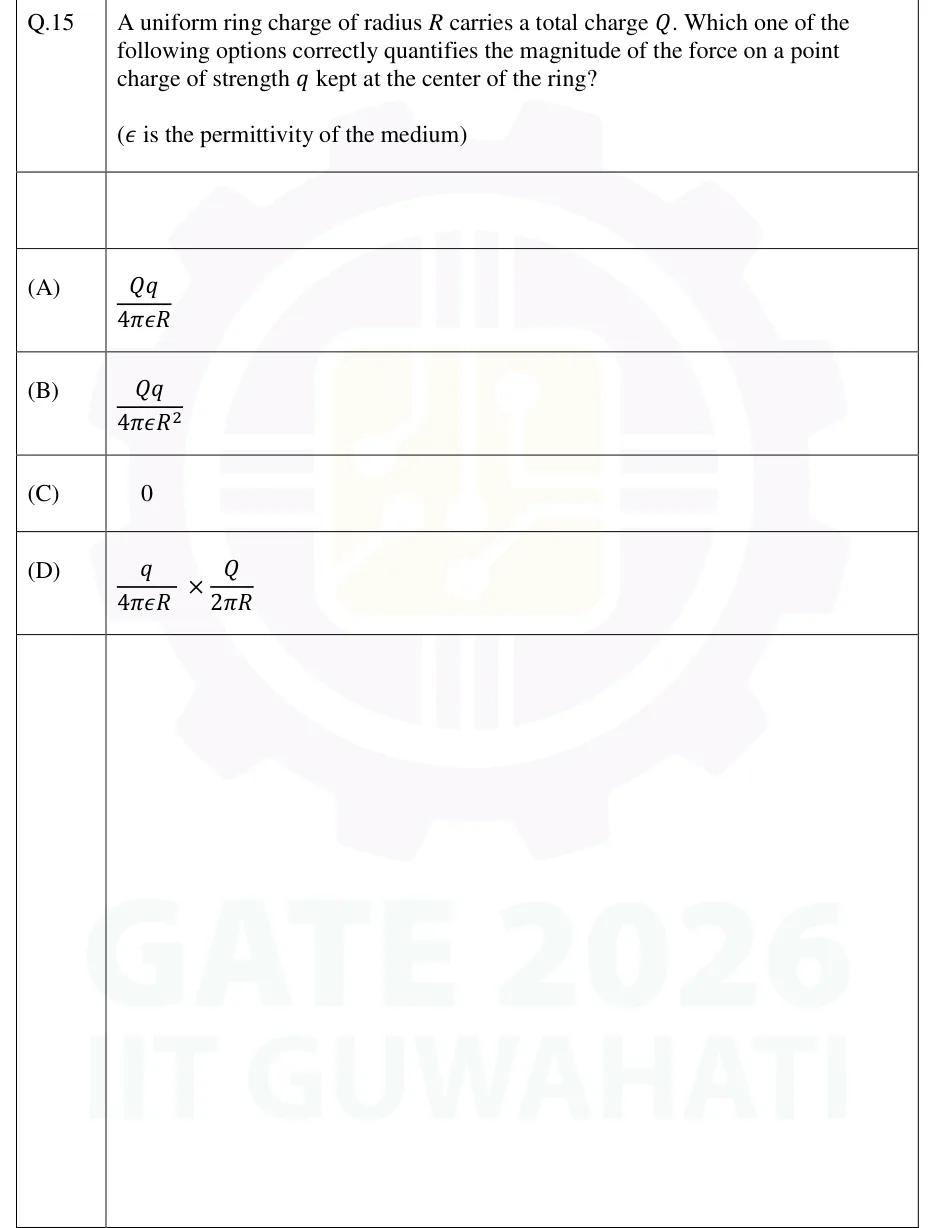
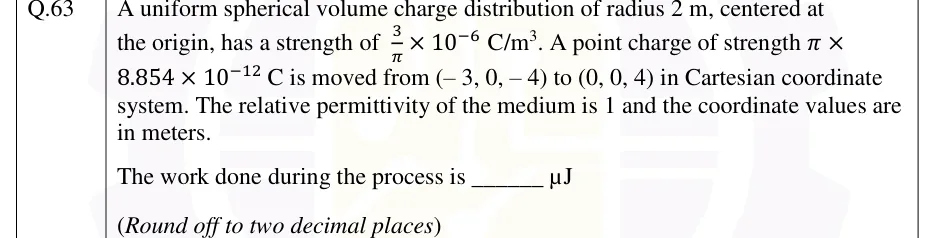
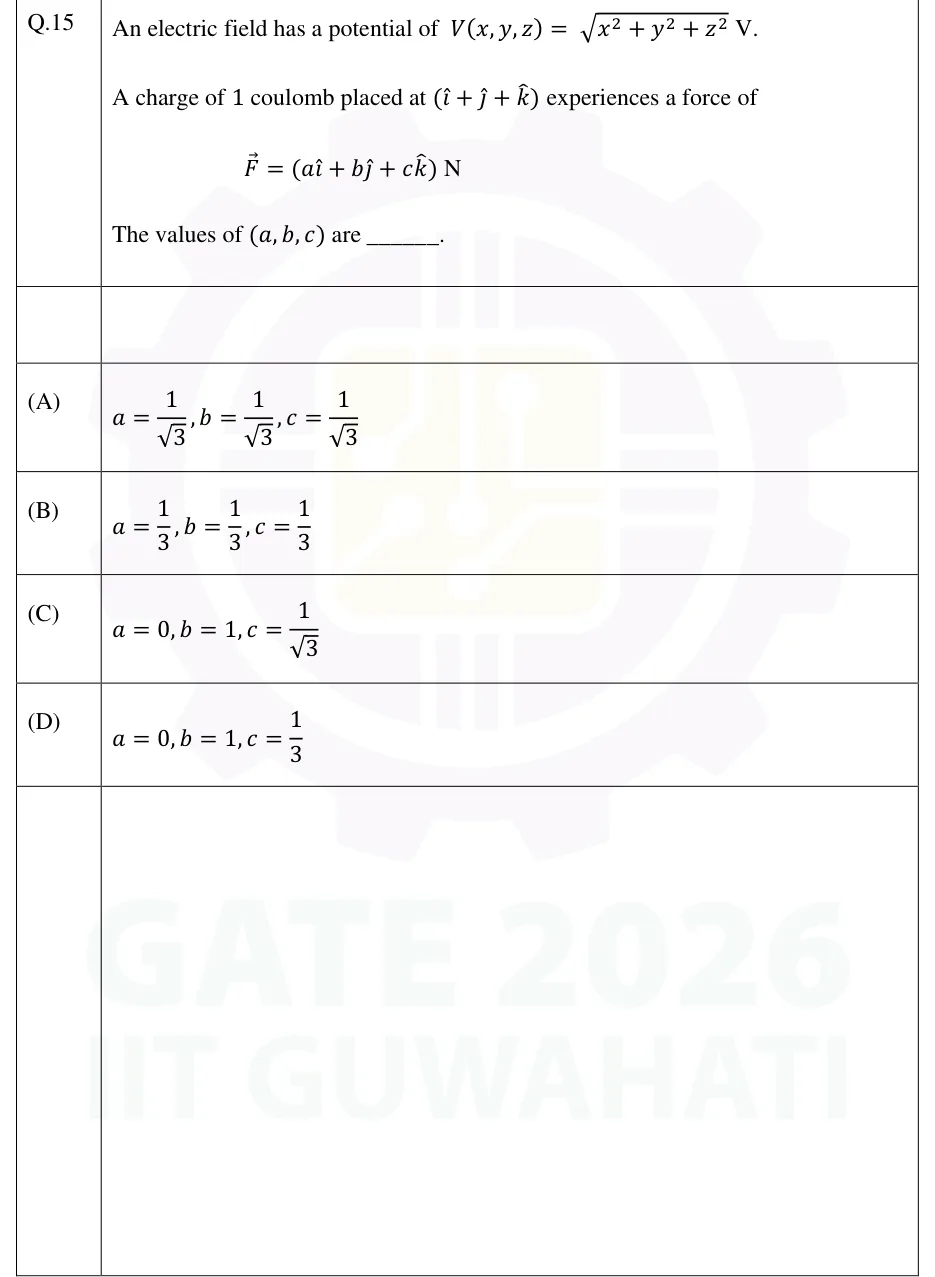
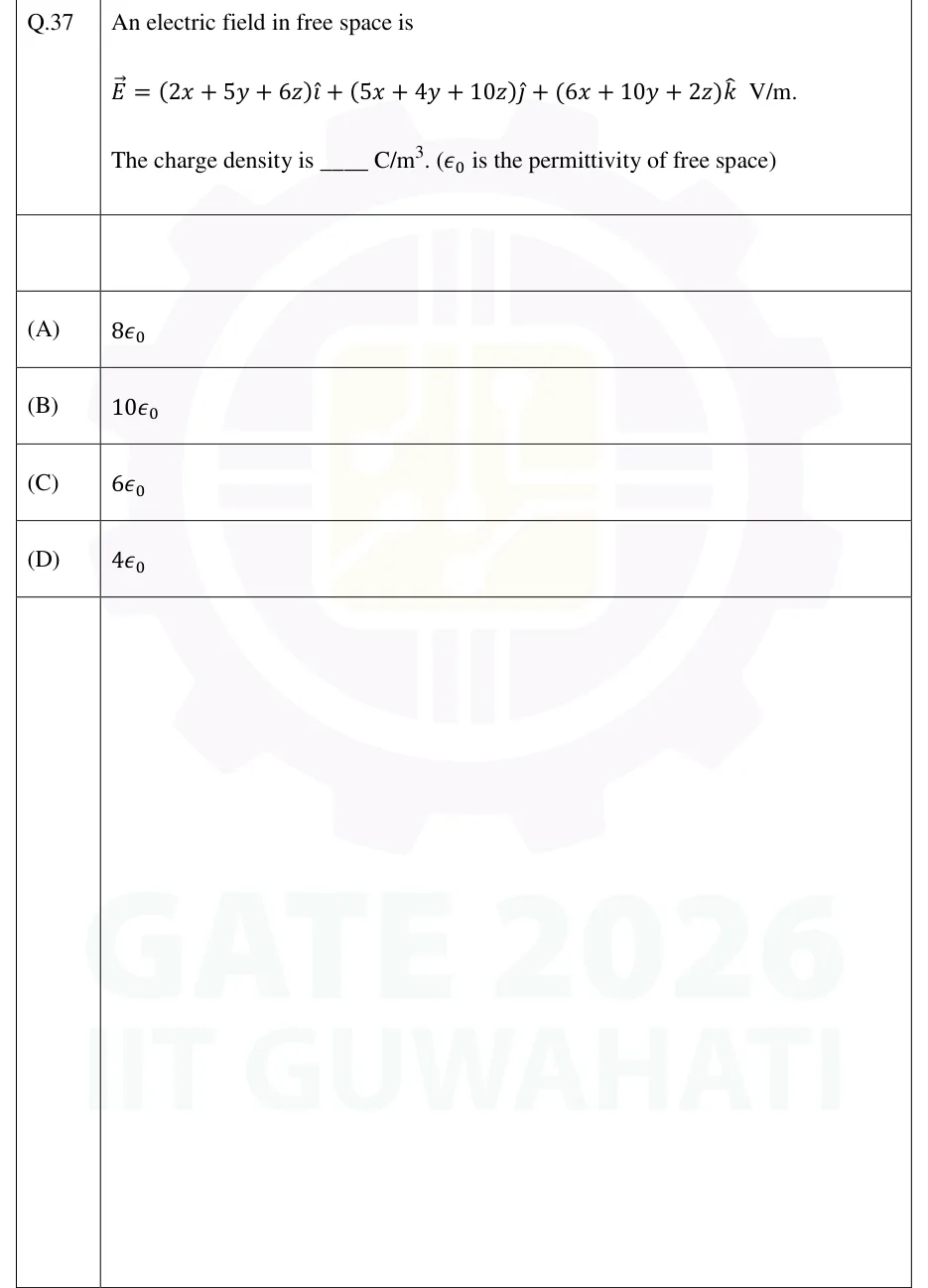
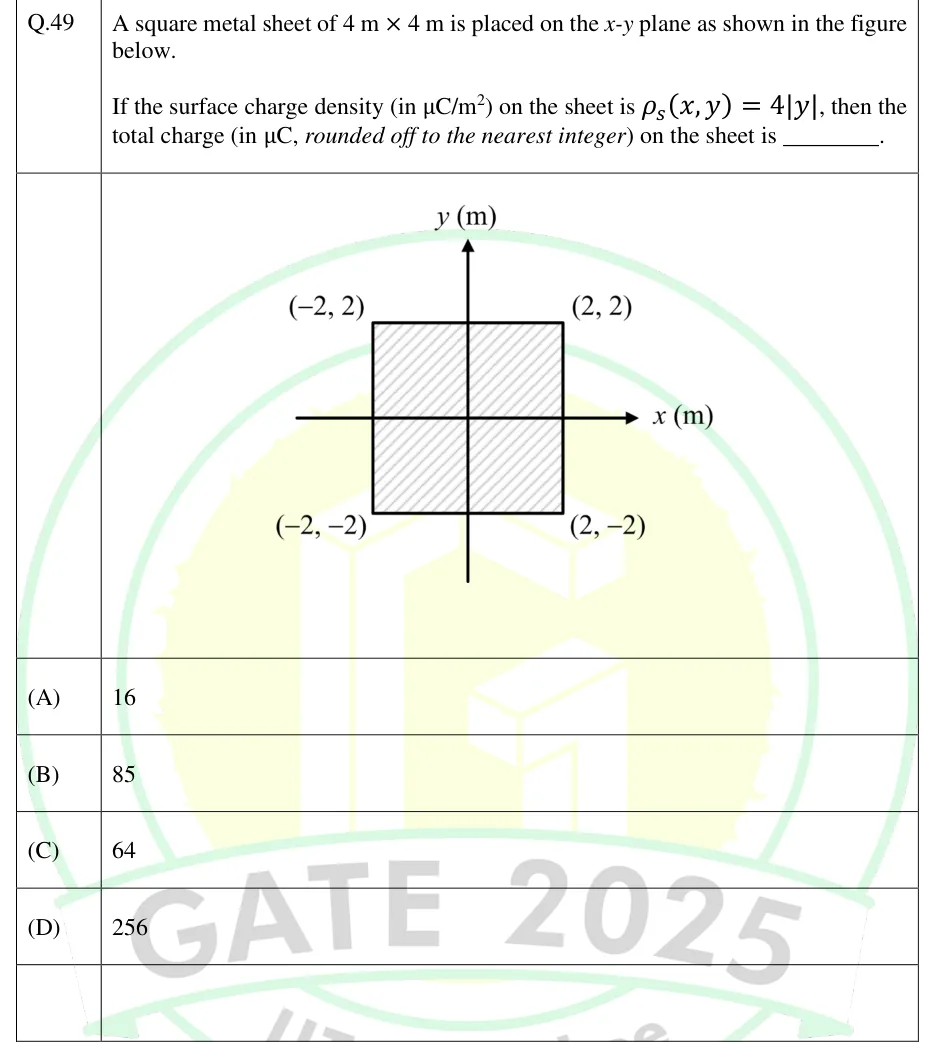
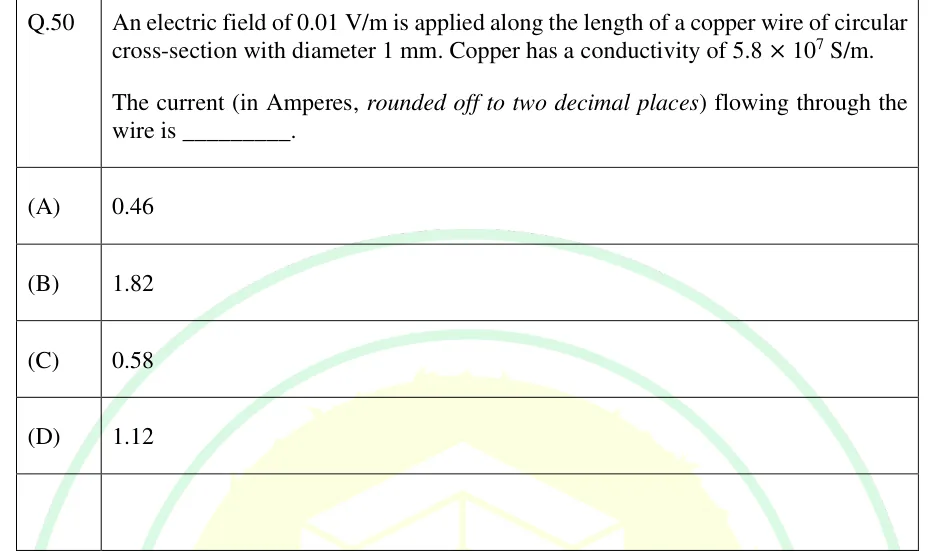
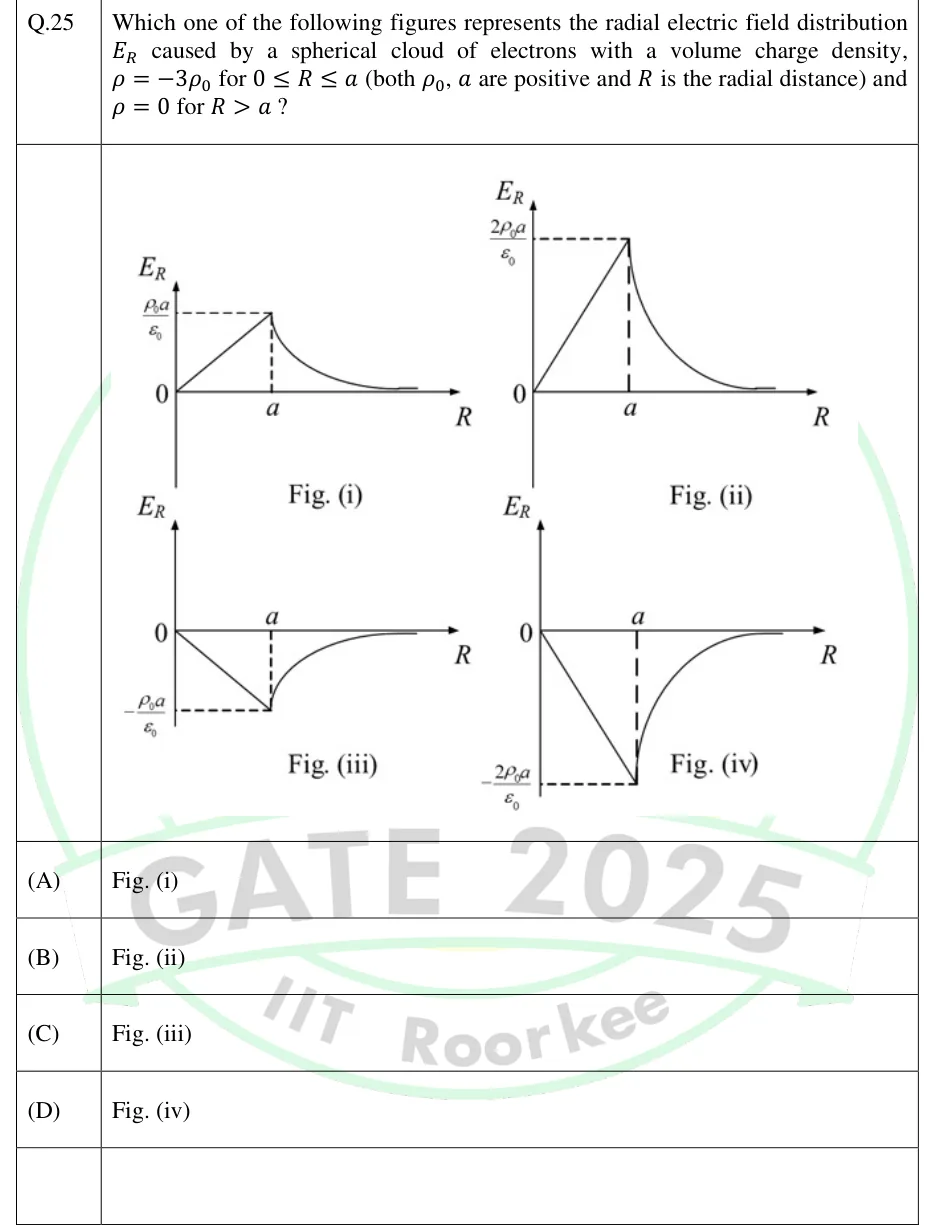
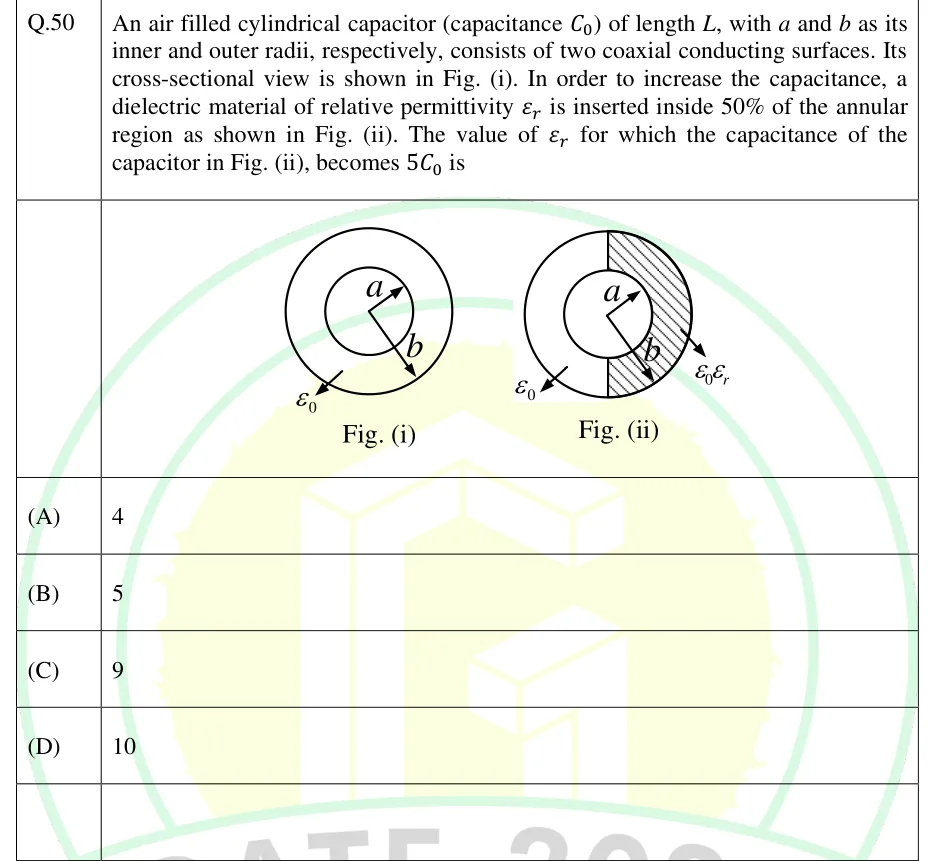
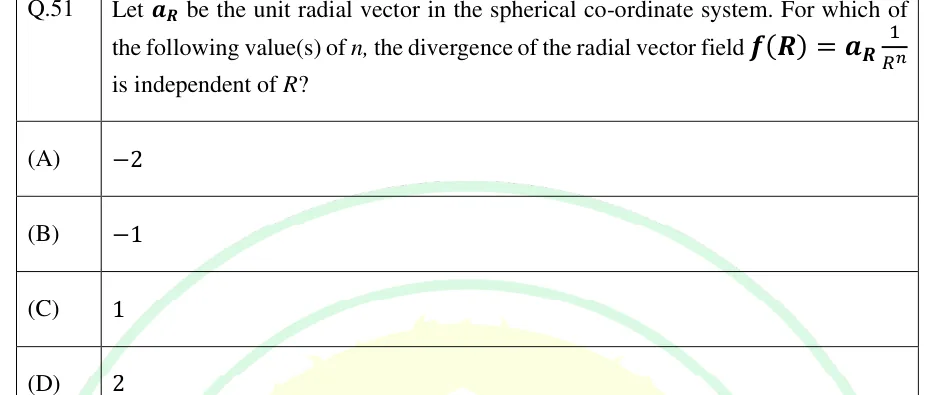
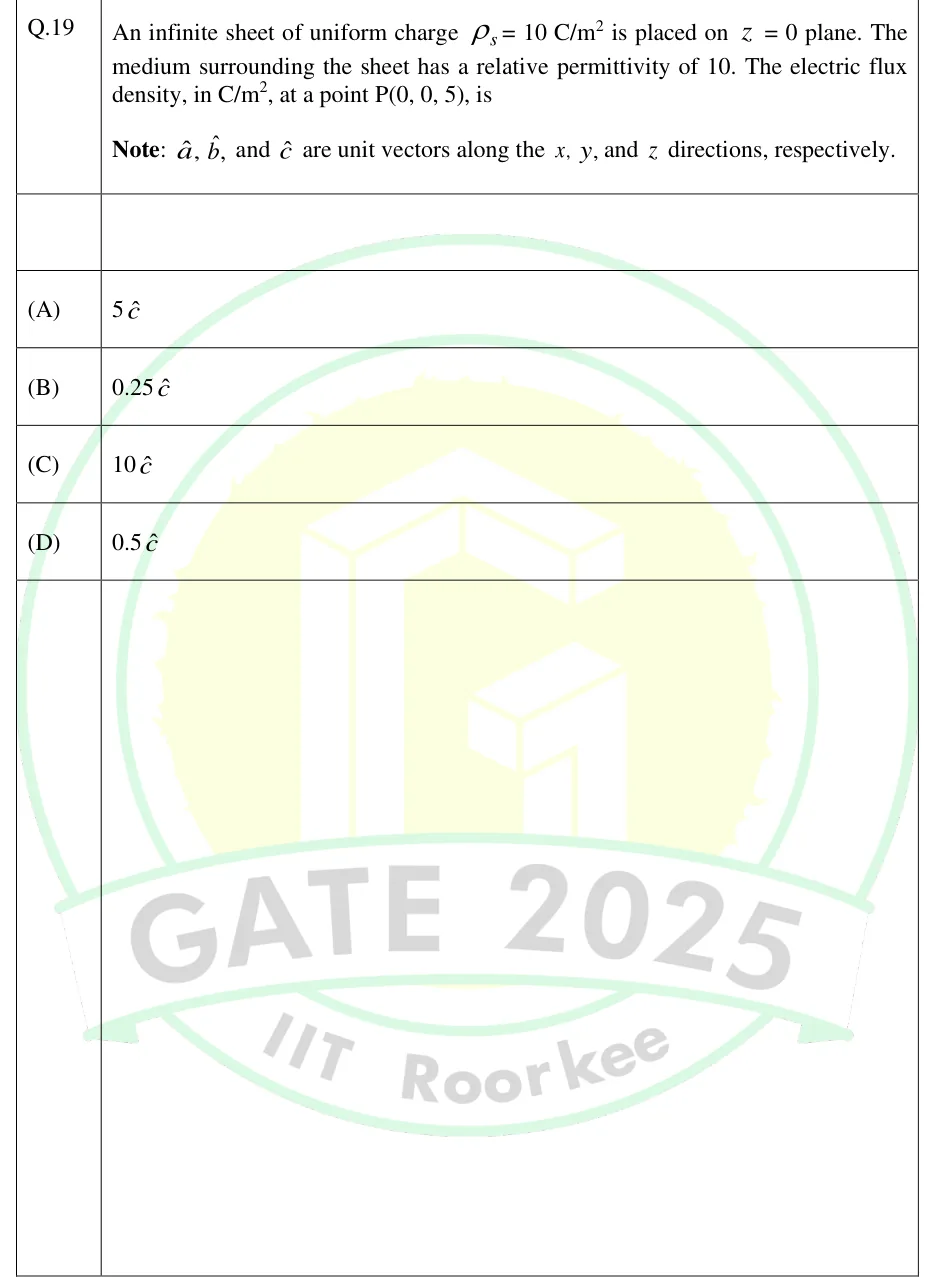
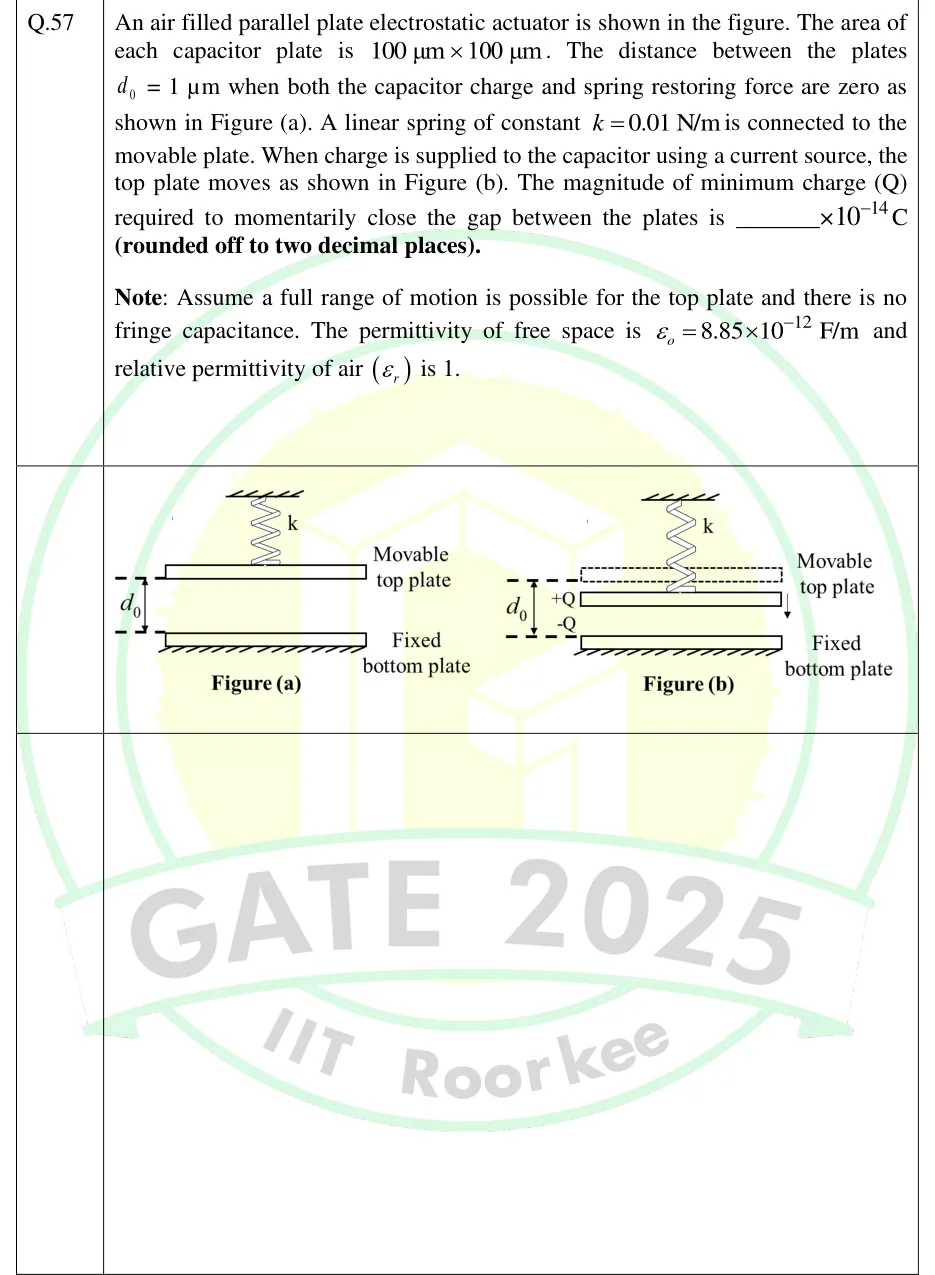
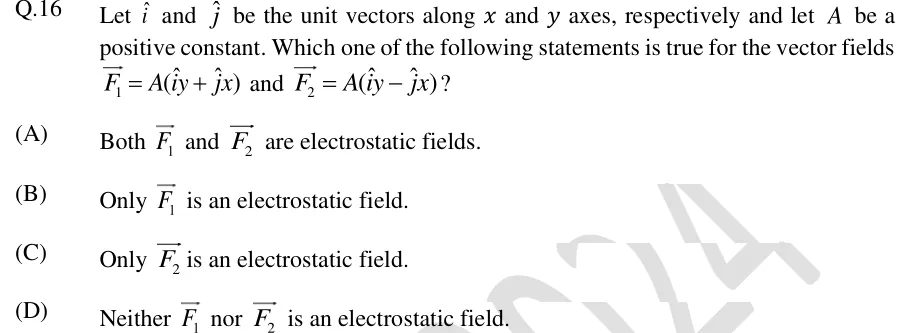
Electrostatics deals with charges that do not move, so nothing changes with time. Conventions used throughout: SI units; ε0=8.854×10⁻¹² F/m and 4πε01≈8.988×10⁹≈9×10⁹ m/F; a medium has permittivity ε=ε0εr. Unit vectors are a^x,a^y,a^z (Cartesian), a^ρ,a^ϕ,a^z (cylindrical, ρ = distance from the z-axis) and a^r,a^θ,a^ϕ (spherical, r = distance from the origin). Charge densities carry subscripts: ρL (C/m), ρS (C/m²) and ρv (C/m³), so they are never confused with the cylindrical radius ρ.
The separation vector R=r−r′ always points from the source point r′ to the field point r, and a^R=R/∣R∣.
SUPERPOSITION OF POINT CHARGES
E(r)=k=1∑n4πε0∣r−rk∣3Qk(r−rk)
Fields add as vectors, component by component; magnitudes do not add. Written for free space. Superposition itself holds in any linear medium; in a homogeneous dielectric filling all space, ε0 becomes ε.
CONTINUOUS CHARGE DISTRIBUTIONS
E=∫4πε0R2dQa^R,dQ=ρLdl,ρSdS,ρvdv
Both R and a^R change from one charge element to the next, so resolve dE into fixed Cartesian components before integrating, and use symmetry to drop the components that cancel.