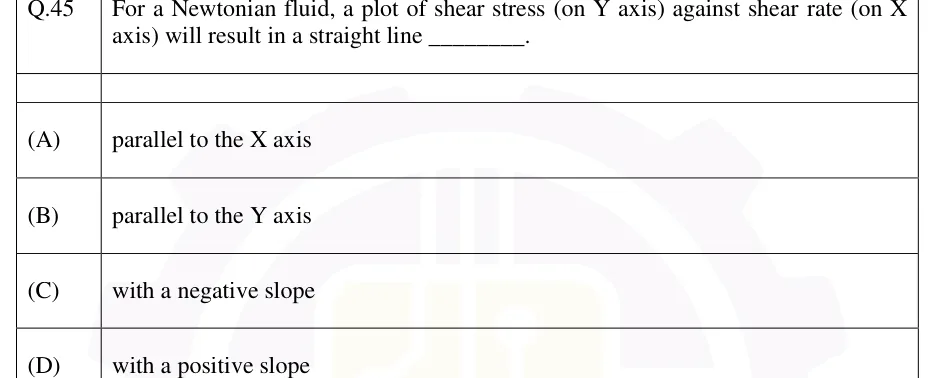
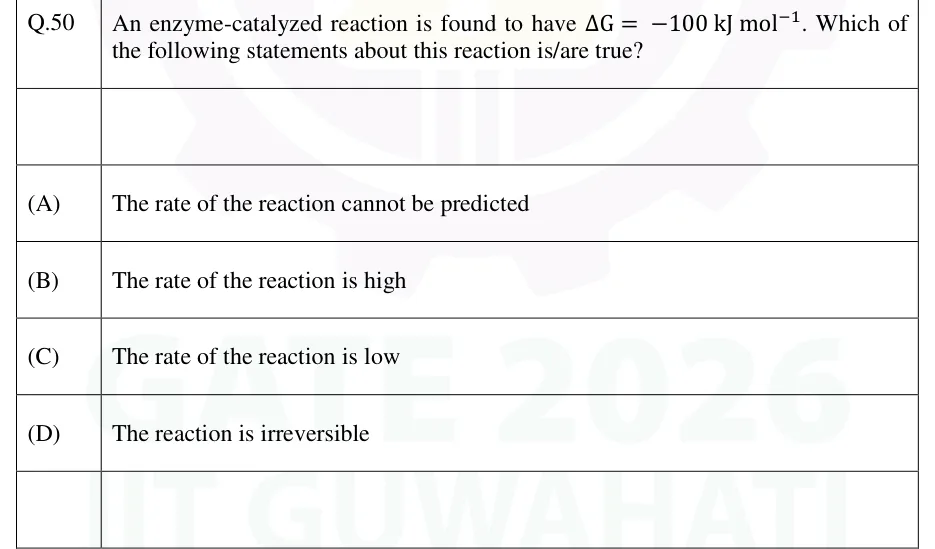
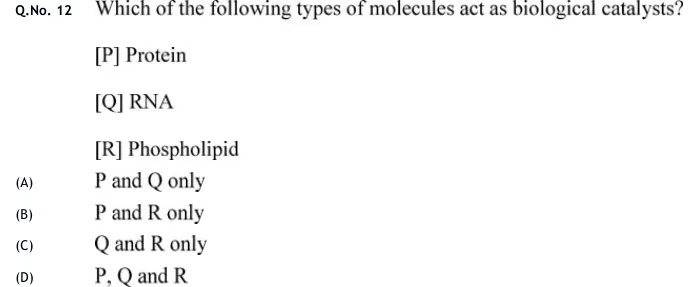
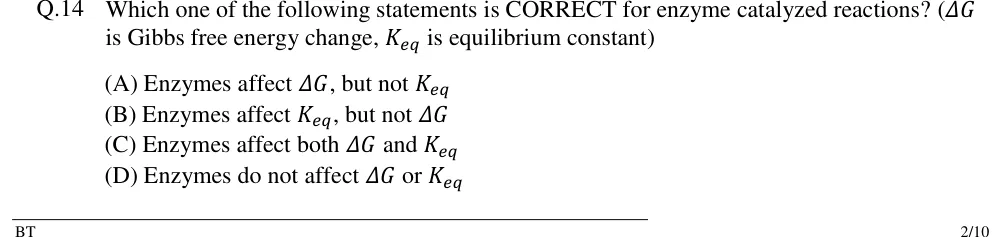
An enzyme speeds up a reaction by lowering its activation energy (ΔG‡). It does not change ΔG of the reaction or its equilibrium constant, so it speeds the forward and reverse reactions by the same factor. Substrate binds in the active site, a cleft formed by a few residues that may be far apart in the primary sequence. Specificity comes from shape, charge, hydrogen bonding and hydrophobic contacts in the site. The lock-and-key model treats the site as a rigid shape complementary to the substrate. The induced-fit model, which describes most enzymes better, says that substrate binding changes the shape of the site so that the catalytic groups are brought into position.
Since 2018 the EC list also has a seventh class, translocases (EC 7), which catalyse the movement of ions or molecules across a membrane. The six classes above are the classical set.
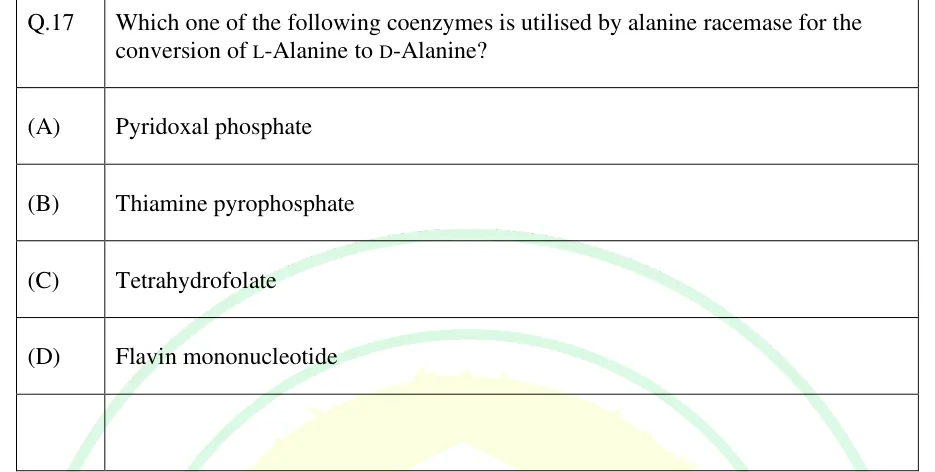
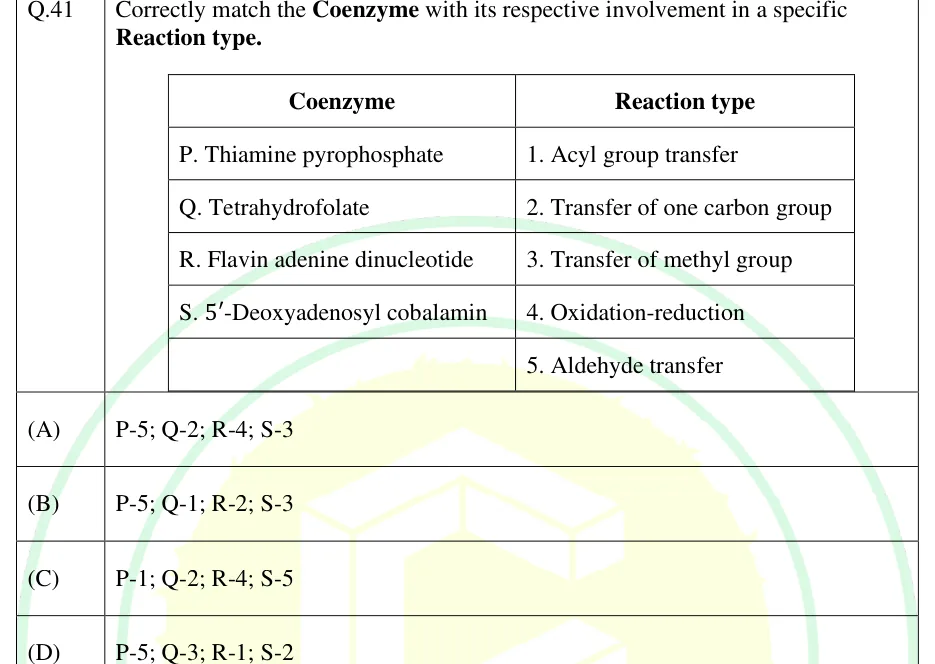
Many enzymes need a non-protein partner. A cofactor is a metal ion (Zn2+, Mg2+, Fe2+/Fe3+) or an organic coenzyme. A coenzyme bound loosely acts as a co-substrate (for example NAD+). One bound tightly or covalently is a prosthetic group (for example heme, biotin, FAD in many enzymes). The protein part alone is the apoenzyme; the complete active enzyme is the holoenzyme. Many coenzymes come from vitamins: NAD+ and NADP+ from niacin (redox), FAD and FMN from riboflavin (redox), coenzyme A from pantothenate (acyl transfer), thiamine pyrophosphate from thiamine (decarboxylation), and pyridoxal phosphate from pyridoxine (transamination). Biotin (carboxylation) is itself a vitamin.